Diabetes has become an all-too-familiar health crisis in South Africa. If you don’t have diabetes yourself, you likely know someone who does. This disease, once rare, is now so widespread that it surpasses HIV as a leading cause of death. Statistics paint a worrying picture: one in four people over the age of 45 has diabetes, and one in two may be at risk. The impact on public health is immense, with complications often requiring hospitalization and straining healthcare services nationwide.
But diabetes is more than just a chronic illness—it’s a disease that causes significant damage throughout the body. The main culprit is high blood sugar, which harms blood vessels and increases the risk of heart attacks, strokes, kidney failure, blindness, and even amputations. These complications don’t just affect older adults. Increasingly, younger, working-age people are feeling the impact.
Understanding Diabetes and Its Complications
The most severe complications of diabetes come from damage to blood vessels, which affects every organ system. When high blood sugar is left unmanaged, it can lead to long-term problems like heart disease, stroke, and kidney failure. Smoking and high blood pressure only make matters worse, accelerating the damage. Yet, despite how dire these issues sound, there is hope—if the country takes action quickly and decisively.
November 14 marks World Diabetes Day, a time when people across the globe come together to raise awareness. The theme for 2024-26, “Diabetes and Well-being,” aims to highlight the importance of holistic management, not just medication.
A Healthcare System Under Pressure
Healthcare providers across South Africa are overwhelmed by the sheer number of diabetes patients. At the Mitchells Plain community health center in Cape Town, for instance, a staggering 6,000 individuals are currently receiving diabetes care. That’s just one facility. Nationwide, the healthcare system is struggling to keep up.
One of South Africa’s national goals is for 90% of people to be aware of their blood sugar levels, yet only half of those with diabetes have been diagnosed. Community health workers are crucial in helping to close this gap, but more support is needed.
Another objective is for at least 50% of diabetes patients to have good blood sugar control. Currently, only 25% achieve this. The reality is stark: if we don’t treat diabetes with the same urgency we had for HIV, the consequences will be catastrophic.
The Role of Lifestyle in Diabetes Prevention
Diabetes doesn’t just run in families—it’s often influenced by lifestyle choices shared within households. Type 2 diabetes is closely linked to obesity and unhealthy eating habits. Many South Africans consume large amounts of sugary, starchy, and fatty foods, which contribute to weight gain and elevate diabetes risk.
Healthy eating and regular physical activity are key to preventing and managing diabetes. Unfortunately, unhealthy food is often more affordable and accessible, making it harder for people to make nutritious choices. To reduce diabetes risk, both the government and the food industry need to collaborate. People must be empowered to make healthier choices through policy changes that make nutritious foods more accessible.
Community infrastructure also plays a role. Safe, engaging spaces for exercise can encourage physical activity. Without them, people are less likely to stay active, which is crucial for diabetes prevention.
Educating the Next Generation
Education is another essential tool in the fight against diabetes. Teaching children the importance of healthy eating and exercise can have a ripple effect on families and communities. Young advocates often influence their parents’ and peers’ behaviors, making them key players in lifestyle change.
Legislation can help. The sugar tax, for example, aims to reduce sugar consumption and promote healthier choices. Yet, meaningful change must happen at the community level. Government initiatives and civil society organizations need to work together to create environments that promote healthy lifestyles. Health services alone can’t tackle this crisis.
Improving Healthcare for Diabetes Management
Managing diabetes requires a comprehensive approach, starting at the primary care level. Most diabetes patients are treated at public healthcare facilities, where nurse practitioners often handle their care. It’s vital to ensure that these healthcare workers are well-trained in diabetes management and lifestyle counseling. Access to family physicians for complicated cases can also make a difference.
Medication availability in the public sector is another challenge. While the current range of medicines is effective, it’s limited. Even when medications are available, healthcare workers often focus solely on prescribing them, neglecting essential lifestyle interventions. This “medicalized” approach falls short. People with diabetes need more than just pills or insulin injections—they need to understand how to manage their condition through sustainable lifestyle changes.
Empowering patients is crucial. Community-based interventions, digital solutions, and telehealth programs can provide the support needed for effective diabetes management. The locally developed GREAT (Group Empowerment and Training) program has proven cost-effective and successful in helping people manage their condition.
The Challenge of Starting Insulin Therapy
Many people with diabetes will eventually require insulin as their pancreas becomes less efficient. Starting insulin can be a daunting milestone. The idea of regular injections can be intimidating, especially for older adults or those with vision impairments. The recent withdrawal of insulin pens by a major manufacturer, Novo Nordisk, has made insulin administration even more challenging.
Patient advocacy groups like Diabetes SA need more resources to amplify their voices and push for better support. Meanwhile, healthcare workers must be better equipped to guide patients through this transition. Again, community empowerment, digital platforms, and telehealth could play a significant role.
Screening and Monitoring: Room for Improvement
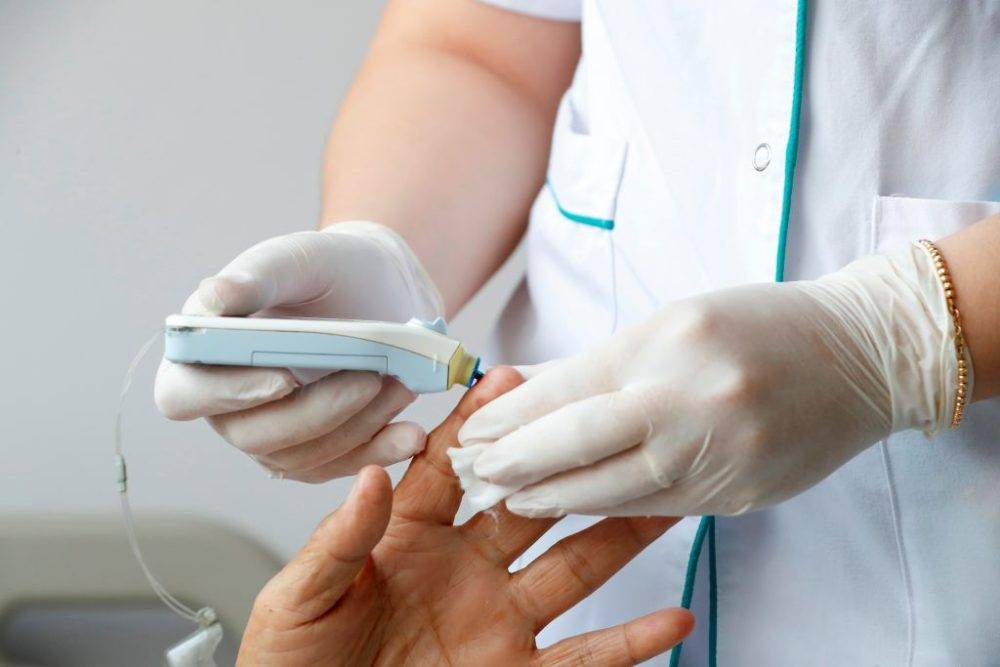
Regular monitoring is essential for diabetes management. Healthcare workers use blood tests, such as HbA1c, to assess blood sugar control. However, results often take weeks to return, delaying intervention. Point-of-care testing, which provides immediate results, should become the standard. This would enable healthcare providers to act swiftly and adjust treatment plans as needed.
Eye and kidney screenings are equally crucial. Diabetes can lead to blindness and severe kidney damage if left unchecked. Yet, current screening methods are inadequate. Handheld eye screening devices, for example, are rarely used effectively. Mobile fundal cameras and advanced urine tests for early kidney disease detection should become the norm.
Transforming Diabetes Care
Turning the tide on diabetes in South Africa requires a multifaceted approach. We need upstream interventions to create environments that minimize diabetes risk. This means making healthy food affordable, ensuring physical activity is safe and appealing, and investing in community-based education.
Healthcare services must do more than dispense medication. They need skilled practitioners who can empower patients to take control of their health. Innovations like point-of-care testing, digital health tools, and community empowerment programs can make a significant impact.
In the end, fighting diabetes isn’t just about medicine; it’s about creating a healthier society. Every person has a role to play, from government leaders and healthcare providers to parents and children. Together, we can create a future where diabetes is no longer a looming threat but a manageable condition.
Professor Bob Mash is the chief and divisional head of the Division of Household and Emergency Medication at Stellenbosch College.